Using film to enhance employee learning and development for business success
Fantastic piece of work by team Reel Film! Thank you very much again for transforming a crucial part of our management development strategy. Thoroughly enjoyed the process!
Project Objectives
Kaefer UK & Ireland asked us to support them with the challenge of bringing their assessment, induction and training programme to life. The client has some key aims and objectives:
✅ Support learning
✅ Induct a culture of excellence
✅ Be easily understood
✅ Engaging to watch
An important milestone in the business's learning and development plans, they wanted us to shape how they bring learning to life through film.
Our Solution
We approached this project by first understanding the current learning and seeing how to transform the narrative to the screen.
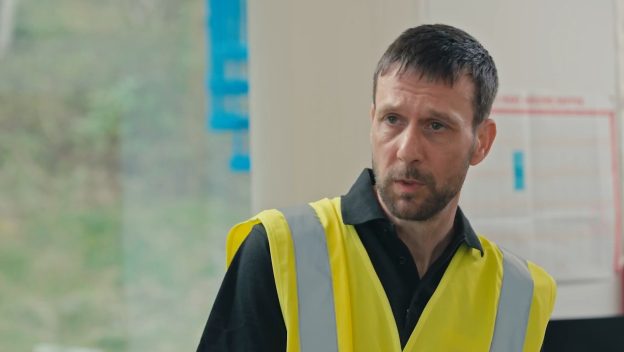
First up, we supported the client in rewriting the script for the screen before defining life-like locations on a recce. We then moved on to sourcing the right talent, ensuring people were cast for the right roles, in line with Diversity, Equity and Inclusion standards.
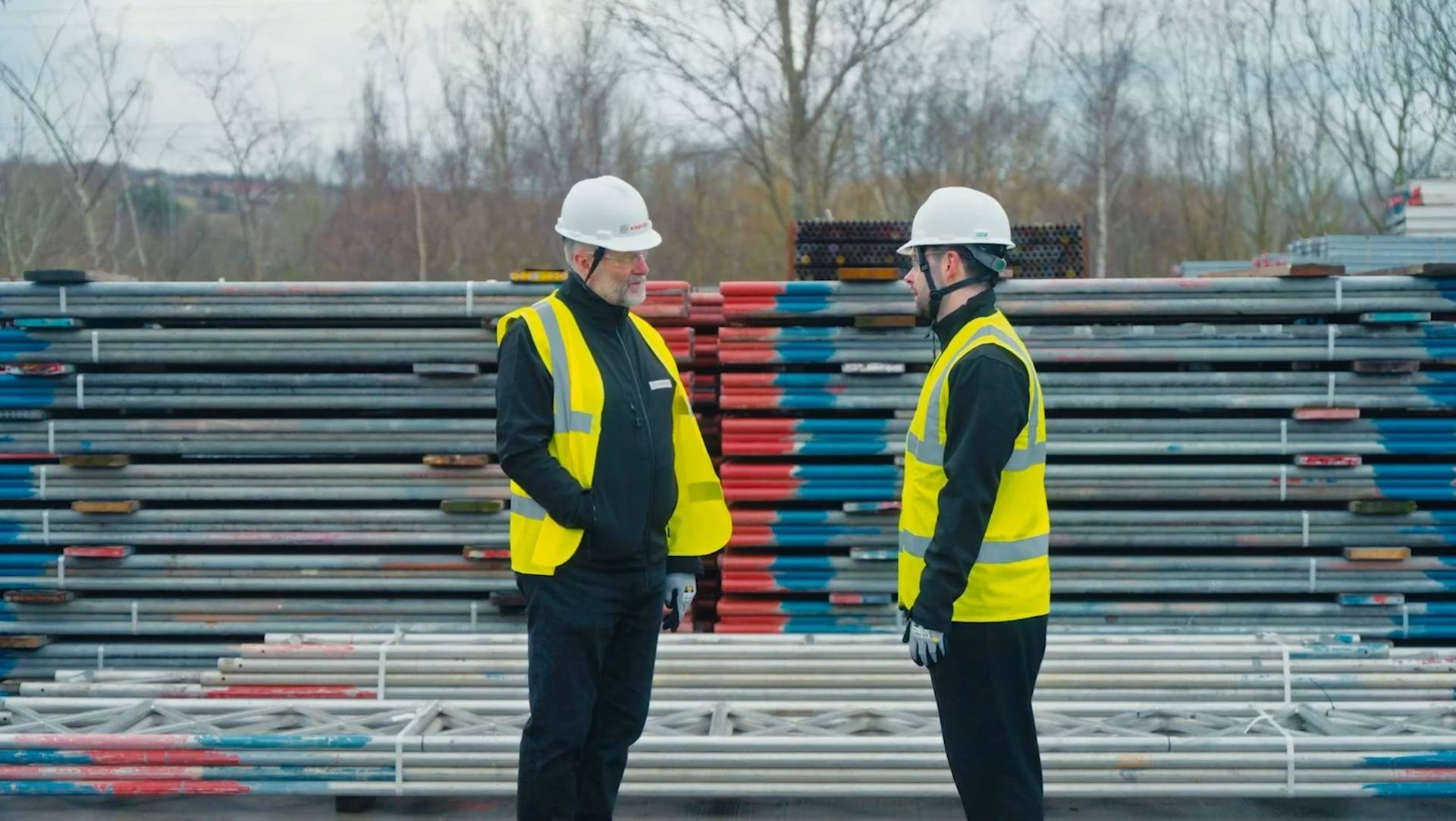
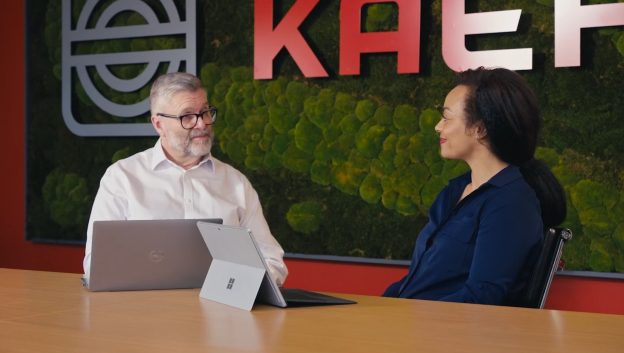
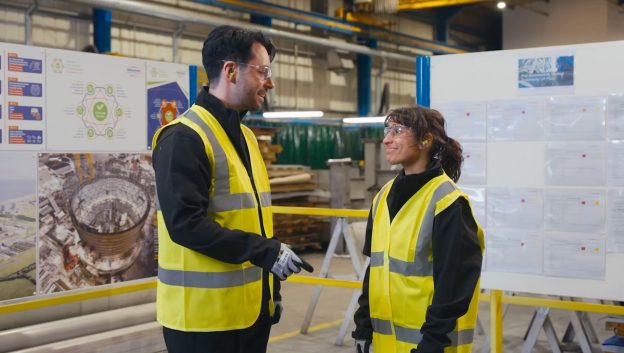
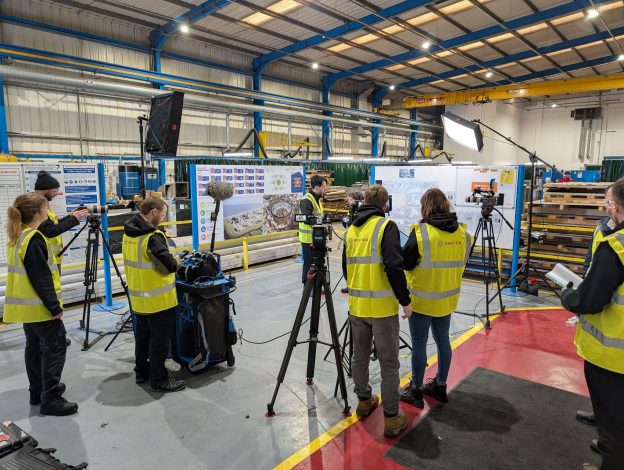
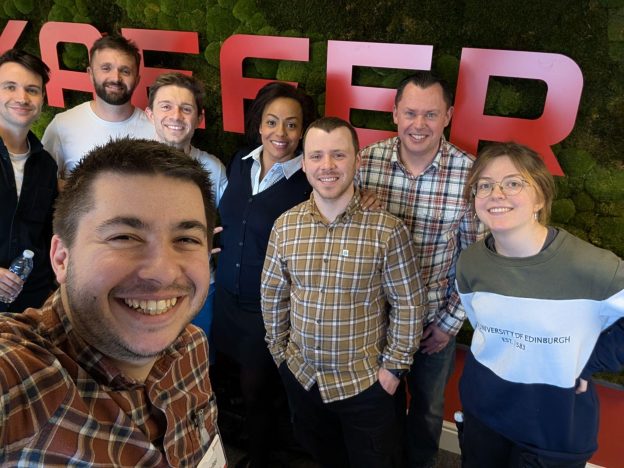
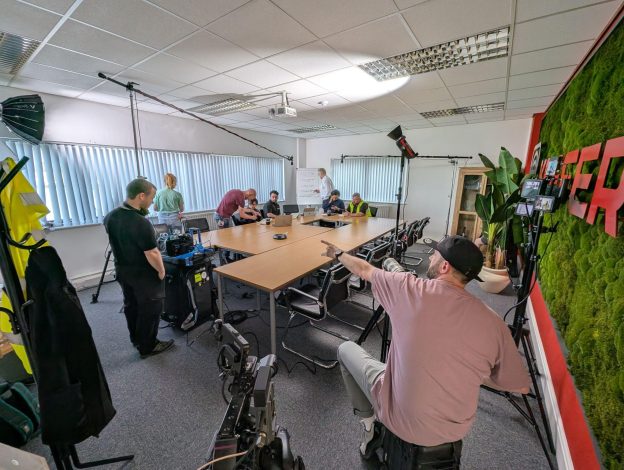
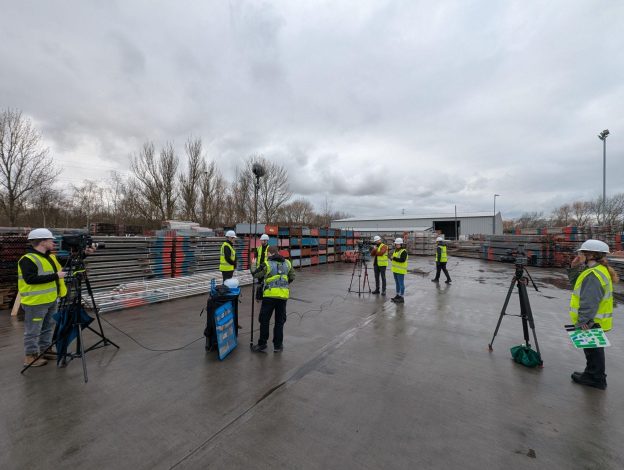
Once our content was cast, we moved onto storyboarding, signing off camer angles, creative and lighting with the crew and client before bringing the films to life in a four-day on-location shoot, from the office, to factories and finally out on sites. Great fun!


Really looking forward to integrating this into our management development programme - I had a sneak peek on Thursday of an episode and can’t wait to watch them all! ⭐️
F&Qs
How do learning and development teams improve employee engagement with training videos?
Engagement improves when videos are short, practical and visually varied, with strong storytelling, real people on camera and clear “what to do next” takeaways that link directly to the job.
What is the ideal length for corporate training videos to keep attention?
For most workplace learning, aim for 2–6 minutes per module, then support with shorter refresher clips (30–90 seconds) for ongoing reinforcement and internal comms. Make them interactive where you can.
How do you plan a training video series for large teams and multiple sites?
Start with a content map (topics, audiences, outcomes), then build a repeatable filming template, consistent branding and a rollout plan that works across sites - plus versions for onboarding and refreshers.
Should training videos be filmed on-site or in a studio for best results?
On-site filming often boosts credibility and adoption because it reflects real environments, while studio filming can work well for presenter-led explainers - many programmes use both.
How can training videos change workforce behaviour in the workplace?
Training videos change behaviour best when they show the exact “desired behaviour” in real workplace situations, explain the “why” in plain language, and reinforce it with clear steps, repetition (short refresher clips) and manager-led follow-up so the message is applied on the job - not just watched.