Six Pre‑Shoot Worries That Are Completely Normal (and How to Stop Them Keeping You Awake)
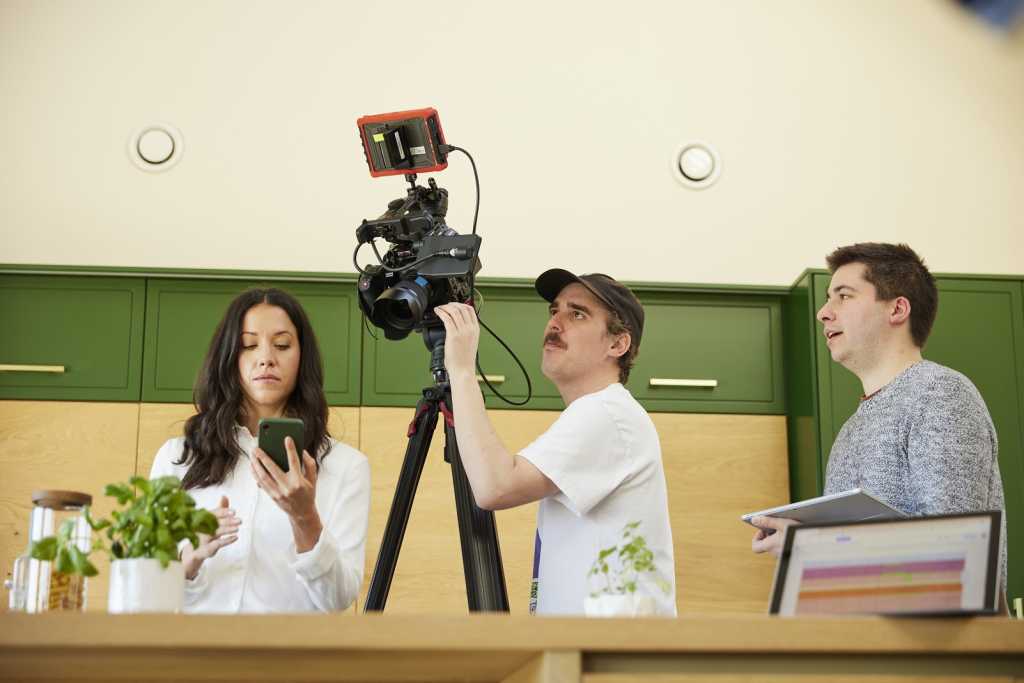
“We Only Have One Shot at This.” Why Your Pre‑Shoot Worries Are Normal (and How to Make Them Disappear)
If you’re a Marketing or Comms Lead, you’ll know the feeling: it’s the night before a big video shoot and your brain decides to run a full risk assessment at 2am.
You’re thinking about budgets, stakeholders, brand reputation, and the fact that you might only get one chance to capture what you need. Especially if it’s your first major production, or you’re working with a new video partner, the pressure can feel very real.
This article is here to do two things:
- Name the worries (because they’re common, and you’re not overreacting)
- Show you what a good production partner does to remove them—before anyone says “Action”.
The most common client worries before a video shoot (and what they really mean)
1) “What if it isn’t right? We can only film this once.”
What you’re really saying: I can’t go back to stakeholders with “we’ll fix it in the edit” if we didn’t capture the right story.
This fear usually comes from unclear objectives or vague sign-off. If the message, audience, and “must-have” moments aren’t locked in early, everything feels fragile on shoot day.
What reduces this worry: a pre-production process that forces clarity - creative treatment, shot list, storyboard, interview plan and a schedule built around what cannot be missed.
2) “What if the talent doesn’t deliver on the day?”
What you’re really saying: If the spokesperson freezes, the whole thing collapses - and I’m the one who has to explain why.
On-camera confidence isn’t guaranteed, even with senior leaders. People get nervous, energy dips, and time pressure makes it worse.
What reduces this worry: proper direction and a calm set. A good crew knows how to coach non-actors, create psychological safety, and design the day so talent isn’t rushed into performance.
3) “What if we don’t get through everything?”
What you’re really saying: We’ve got one day, five stakeholders, and a list of deliverables that’s grown since the brief.
This is one of the most rational fears - because it happens when schedules are built on optimism instead of reality.
What reduces this worry: a production partner who plans like a producer, not just a camera operator. That means realistic timings, buffer built in, clear priorities, and someone empowered to make smart calls on the day.
4) “What if the final edit doesn’t match our vision?”
What you’re really saying: I need to protect the brand - and I need to avoid endless feedback loops.
Misalignment in post-production usually starts in pre-production: if “tone” and “style” are subjective, you’ll end up with multiple rounds of “it’s not quite us”.
What reduces this worry: shared references and decision-making upfront - examples of pacing, music vibe, edit style, on-screen text approach, plus a clear feedback process (who signs off, when, and based on what criteria).
5) “Are we capturing enough vertical content?”
What you’re really saying: I can’t justify the spend if I only walk away with one hero video.
Marketing and comms teams don’t just need a film - they need a content system: cutdowns, hooks, social-first versions, internal comms snippets, and assets that work across channels.
What reduces this worry: planning deliverables into the schedule from day one. Vertical capture isn’t an afterthought - it affects framing, lighting, blocking, and even how interviews are staged.
6) “When is the first coffee break - and did someone buy Tetley instead of Yorkshire Tea?”
What you’re really saying: If the day feels chaotic, everything feels risky.
It’s a small joke, but it points to something important: when logistics are handled, everyone relaxes. When they’re not, stress spreads fast - especially to the client team.
What reduces this worry: a crew that runs the day smoothly, communicates clearly, and keeps energy up. Yes, including proper tea.

Why this anxiety is completely normal (especially in marketing and comms)
Marketing budgets are tighter than ever. Timelines are squeezed. Stakeholders expect more content from fewer shoots. And video is visible - internally and externally - which makes it feel higher risk than many other deliverables.
So if you’re feeling that “one shot” pressure, it doesn’t mean you’re difficult. It means you care about outcomes, reputation, and making the investment count.
The real secret to a stress-free shoot: choose a production partner, not a supplier
A supplier turns up, films what’s asked, and leaves you holding the risk.
A production partner shares the risk with you - and designs it out of the process.
Here’s what that partnership looks like in practice:
- Meticulous pre-production that identifies risks early (location issues, time constraints, stakeholder expectations, brand approvals)
- A shared vision that’s documented, not assumed (creative approach, messaging, tone, deliverables)
- A schedule built around your goals (not just what’s convenient to film)
- On-the-day leadership so you’re not managing the shoot while also being the client
- Post-production clarity with a feedback process that protects your time and your brand
When you have that, the night-before worries don’t vanish because you “stopped overthinking”.
They vanish because the risks are genuinely controlled.
A quick pre-shoot checklist for Marketing & Comms Leads (use this to feel instantly calmer)
If you want a practical way to reduce anxiety, ask your production partner these questions:
- What are the top 3 priorities we must capture, no matter what?
- What’s the plan if we lose time (late start, talent delayed, location issue)?
- How are we capturing vertical and cutdowns - and what’s the shot plan for that?
- What does success look like for this video (and for the campaign)?
- Who owns sign-off and what’s the post-production timeline?
- What do you need from me on the day - and what will you handle without escalation?
If they answer clearly (and confidently), you’re in good hands.
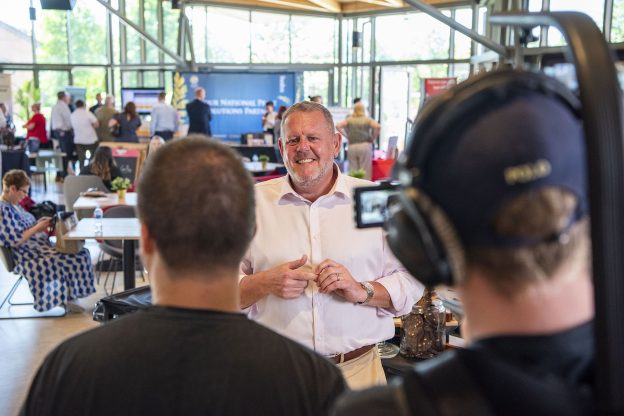
Final thought: you’re not being dramatic - you’re being responsible
That “what if it goes wrong?” voice is the part of you protecting the brand, the budget, and your credibility.
The goal isn’t to ignore it.
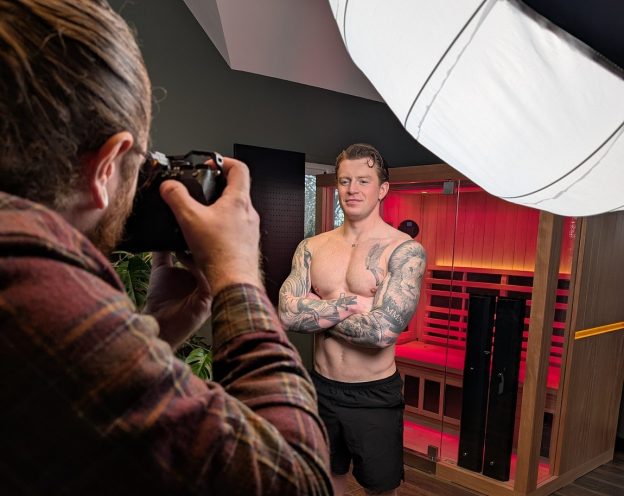
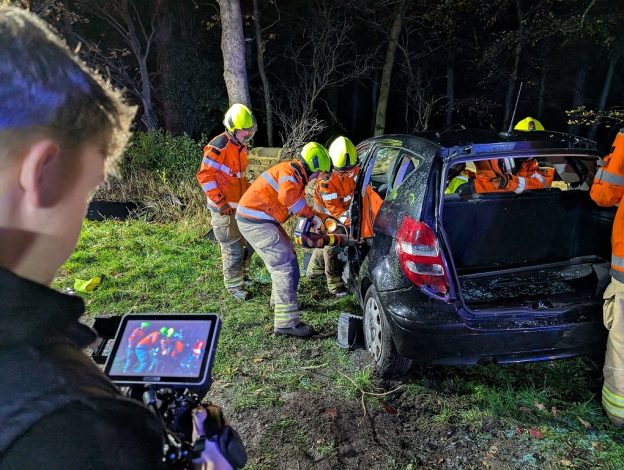
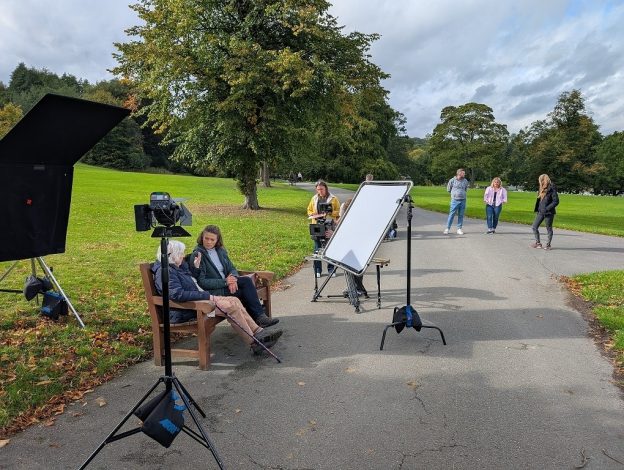
The goal is to work with a team that has done this enough times - and plans thoroughly enough - that you can actually sleep the night before the shoot.
And yes. The tea will be the right one.
F&Qs: Removing Pre-Shoot Risk
What should I expect on the day of a video shoot?
You can expect a clear schedule, a crew lead who keeps everything moving, time for setup and lighting, and guided direction for anyone on camera. A good team will also build in buffer time, manage stakeholders, and keep you updated so there are no surprises.
How do you make sure a video shoot stays on schedule?
It starts in pre-production: a realistic call sheet, prioritised “must-have” shots, and timings that match the location and talent availability. On the day, the producer/director keeps the pace, makes quick decisions when things change, and protects the key scenes first.
How do we get enough vertical and social content from one shoot?
Plan it upfront. That means agreeing deliverables (Reels/Shorts cutdowns, hooks, BTS, stills), capturing key moments in vertical alongside the main setup, and framing shots so they work across formats without compromising the hero film.