Video Playbooks for Marketing, Comms & People Teams: A Practical Guide to Better Business Video

Why most business video underperforms (and how to fix it)
Business video fails for predictable reasons: unclear objectives, vague briefs, too many stakeholders and no plan for distribution. The fix isn’t “more creative.” It’s a simple, repeatable process that helps you plan the right video, get internal alignment and produce content that works.
That’s why we built three focused resources - each designed around the real-world needs of different teams:
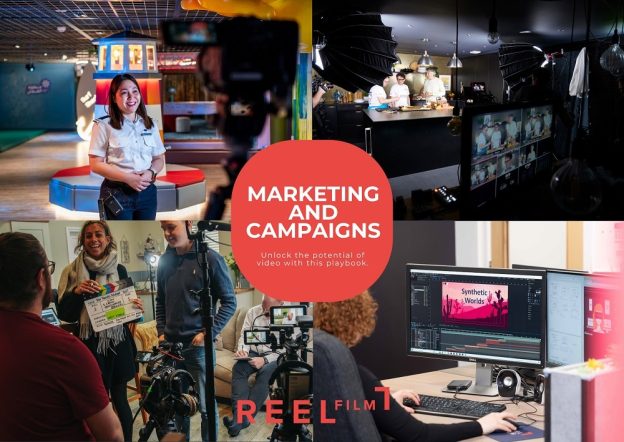
- Marketing teams: The Video Marketing Playbook
- Communications teams: The Communications Video Playbook
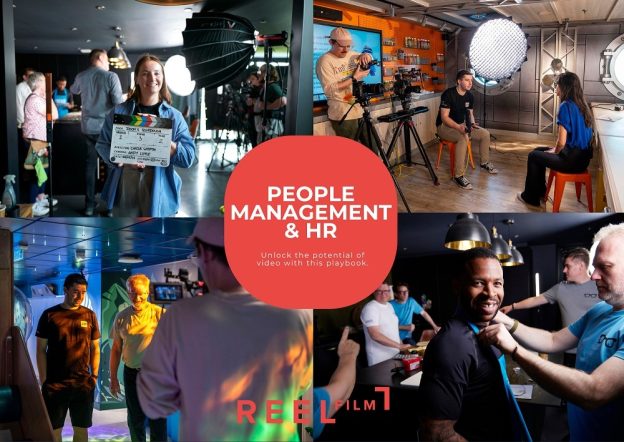
- People managers / HR teams: Video Playbook for People Managers
Each playbook is practical, not theoretical. And together, they cover the most common business video use cases - from demand generation to internal comms to hiring and culture.
The common thread: a better way to plan video production
No matter your role, great video production starts with the same foundations:
- A clear goal: What should the viewer think, feel, or do next?
- A defined audience: Who is this for, and what do they already believe?
- A message hierarchy: One primary message, supported by proof.
- A realistic production plan: Timeline, locations, contributors, and approvals.
- A distribution plan: Where it will live and how it will be used.
If you want video that performs, treat it like a system - not a one-off.
1) For Marketing Teams: build video that drives growth
Marketing video is often judged on outcomes: leads, pipeline, conversions and brand lift. The Video Marketing Playbook is built to help you choose the right video format for the job and brief it properly.
Best-fit use cases:
- Brand films and positioning videos
- Product/service explainers
- Case studies and customer stories
- Paid social video ads
- Event and campaign video assets
What this playbook helps you do:
- Align video to funnel stage and intent
- Create a brief that protects performance (not just aesthetics)
- Plan cutdowns and versions for multiple channels
It really is something special and I'm so proud of what we made. It's everything I imagined in my mind and clearly articulates what we want ivie to represent and what it is here to do. Thanks to you and your great team or an amazing piece of cinema.
2) For Communications Professionals: clarity, trust, and consistency
Comms teams need video that lands the message clearly - often under time pressure, with multiple stakeholders, and with reputational risk in mind. The Communications Video Playbook is designed for internal and external communications where tone, accuracy and alignment matter.
Best-fit use cases:
- Leadership messages
- Change communications
- Corporate updates and announcements
- ESG, impact, and purpose storytelling
- Crisis or sensitive comms (where appropriate)
What this playbook helps you do:
- Build stakeholder alignment early
- Reduce approval loops with a tighter process
- Keep messaging consistent across teams and channels
3) For People Managers: use video to hire, onboard, and retain
People teams and managers use video to make culture tangible - especially when teams are distributed, scaling, or hiring quickly. The Video Playbook for People Managers focuses on practical video content that supports recruitment, onboarding and internal engagement.
Best-fit use cases:
- Recruitment and employer brand videos
- Onboarding and training content
- Values and culture films
- Team updates and internal comms
What this playbook helps you do:
- Decide what to film vs what to document
- Capture authentic stories without overproducing
- Create repeatable content that saves time long-term
How to choose the right playbook (or use all three)
If you’re deciding where to start, use this quick guide:
- You need leads, sales enablement, or campaign assets: start with the Video Marketing Playbook.
- You need alignment, clarity, or leadership messaging: start with the Communications Video Playbook.
- You need hiring, onboarding, or culture content: start with the People Managers Playbook.
Many organisations use all three - because marketing, comms, and people teams often share the same production constraints (time, access, approvals) and the same opportunity: video that makes the business easier to understand.
FAQs: the video production playbooks
What types of videos work best for marketing?
Common high-performing formats include customer stories, product explainers, short paid social ads, and brand positioning films - especially when planned with distribution and cutdowns in mind.
What is business video production?
Business video production is the process of planning, filming, and editing video content for organisational goals—such as marketing, communications, recruitment, training, and internal engagement.
How long does a typical video production take?
Most business video projects take 4–8 weeks from brief to delivery, depending on complexity, approvals, and the number of versions required.
What should be included in a video production brief?
A strong brief typically includes:
- Goal and success criteria
- Target audience
- Key messages and proof points
- Tone and brand guidelines
- Practical details (locations, contributors, deadlines)
- Required deliverables (lengths, formats, cutdowns)
- Approval process and stakeholders
How much does corporate video production cost in the UK?
Costs vary based on filming days, crew size, locations, animation, and post-production needs. The most reliable way to budget is to define deliverables and constraints first—then scope production around them.
How do we get better results from internal comms video?
Start with message clarity and stakeholder alignment. Keep the structure simple, plan approvals early, and create versions for different channels (e.g., all-hands, intranet, email).
