Why a Location Recce Is One of the Best Investments You Can Make in Your Video
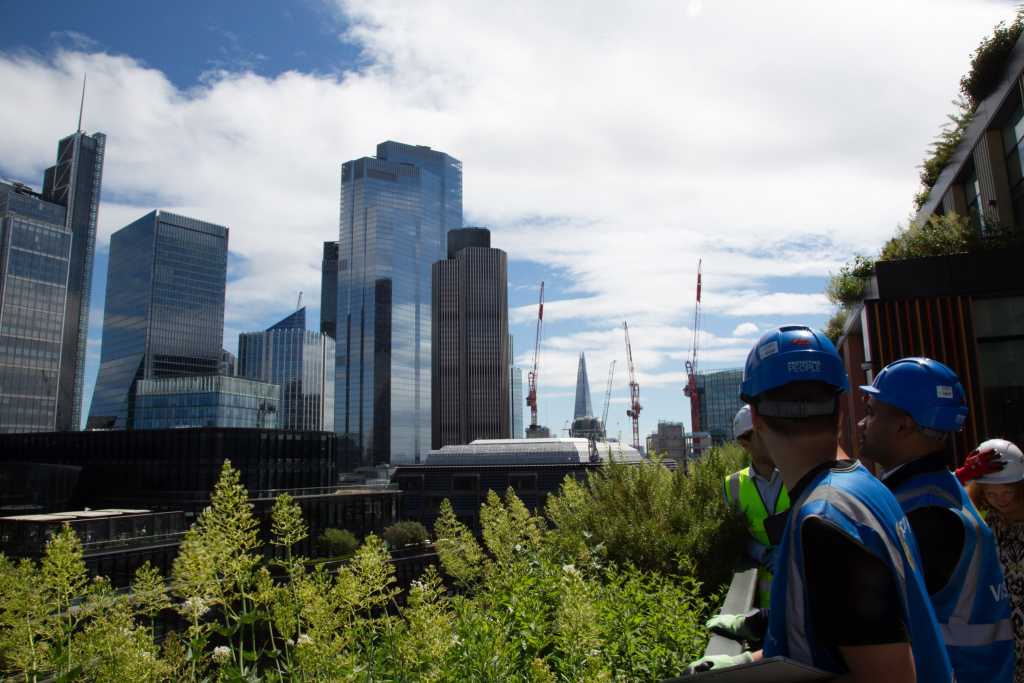
Every great film starts long before the camera rolls.
In the pressure to deliver on time and on budget, the location recce is often the first thing considered for cuts. It feels like an extra step - an added cost before production has even begun. But for anyone who has ever stood on a shoot day watching time drain away because the sound is unusable, the light has changed, or the planned shot simply does not work in the space, the value of a recce becomes immediately obvious.
A location recce is not a luxury. It is the difference between a shoot day that runs smoothly and one that runs over - and the difference between a film that looks planned and one that looks compromised.
This blog explains what a recce actually involves, why it directly improves the quality of the final film, and what a real-world project with JLL shows when you get it right.
Why a Location Recce Is Vital
Planning the day
A shoot day is a finite resource. Once time is lost, it cannot be recovered - and every unplanned minute on set costs money, tests patience, and puts pressure on the quality of the work.
A recce allows the production team to map out the entire shoot day before it happens. We identify which spaces work for which shots, build a realistic schedule around access windows and natural light, and agree on the running order before anyone picks up a camera. On shoot day, the team arrives knowing exactly where they are going and what they are doing in each location.
For marketing and comms professionals managing shoot days alongside busy internal stakeholders - senior spokespeople, department heads, operational teams - this matters enormously. A well-planned shoot respects everyone's time and runs to schedule.
Preparing for shots
A location rarely looks on shoot day exactly as it looked in a photograph or a site visit months earlier. Furniture moves, signage changes, construction continues, and the light at 9am is nothing like the light at 2pm.
A recce gives the director and cinematographer the opportunity to stand in each space and plan shots with full awareness of what they are working with. Angles are assessed, lenses are considered, and framing is thought through in the actual environment rather than imagined from a floor plan. By the time the team arrives to shoot, the creative decisions have already been made. The shoot day becomes execution, not exploration.
This preparation is what separates considered, cinematic footage from footage that simply documents a space.
Removing obstacles: sound, space, and light
Three things can quietly ruin a location that looks perfect on paper: sound, space, and light.
Sound is the most commonly underestimated challenge in location video. HVAC systems, open-plan office noise, road traffic, construction on adjacent floors, lift shafts - all of these become significant problems when you are trying to capture clean dialogue or natural ambient sound. A recce identifies these issues early, allowing the team to plan around them: scheduling interviews in quieter spaces, timing shots to avoid peak noise, or flagging where additional sound treatment may be needed.
Space affects everything from camera positioning to crew logistics. A room that looks spacious enough in a photograph may not accommodate a camera, operator, lighting rig, and subject with enough distance for the right lens to work. A recce reveals these constraints before they become shoot-day problems.
Light is the most variable factor of all. The direction, quality, and intensity of natural light changes throughout the day and across seasons. Filming into a window that looked atmospheric during a morning recce can become a blown-out mess by early afternoon. Understanding how light behaves in each space allows the cinematographer to plan accordingly - scheduling the right shots at the right times, or planning supplementary lighting where natural light is unreliable.

Why a Recce Makes a Better End Film
The practical benefits of a recce are significant. But the creative benefit is equally important, and it is the one that most directly affects the quality of what the commissioner receives.
A film made without a recce is reactive. Decisions are made under time pressure on shoot day, often with compromises that would not have been necessary with better preparation. The best angle becomes the available angle. The cleanest audio becomes whatever the environment allows. The schedule becomes whatever can be squeezed into the remaining time.
A film made with a thorough recce is intentional. Every shot has been considered. Every location has been assessed for its visual and practical potential. The team arrives with a shared understanding of what they are making and how they are going to make it.
The result is footage that looks planned - because it was. Composition is stronger, lighting is managed rather than accidental, and the shoot day produces more usable material in less time. That translates directly into a better edit, a better final film, and a better return on the production investment.
Case Study: JLL, One Broadgate
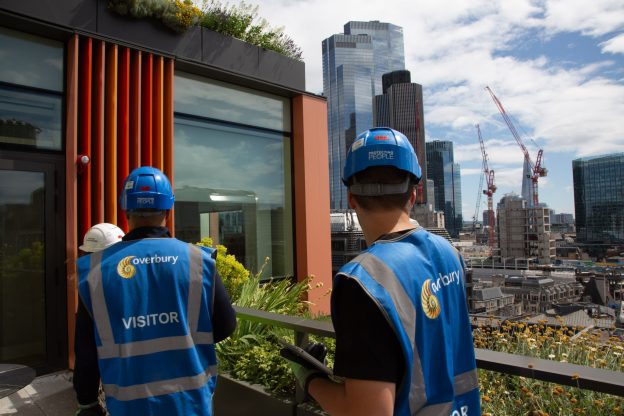
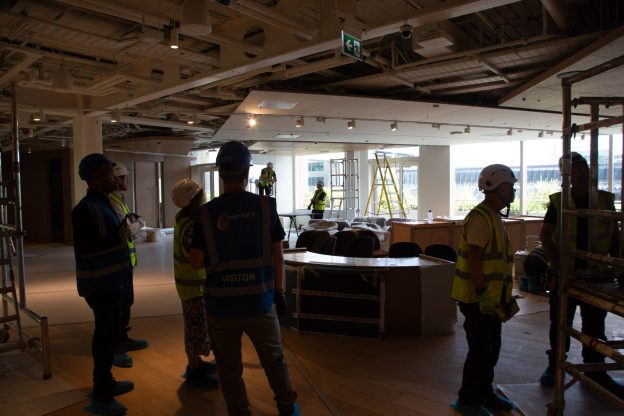
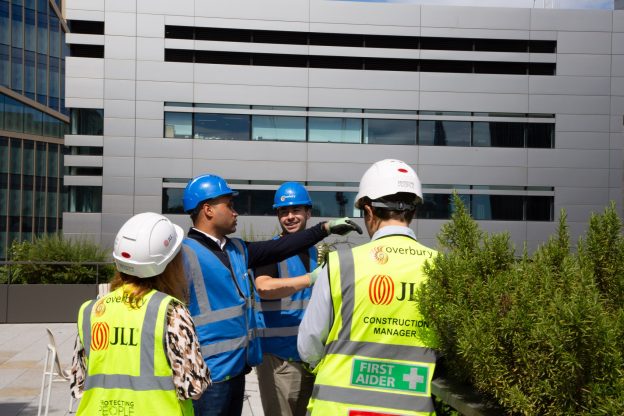
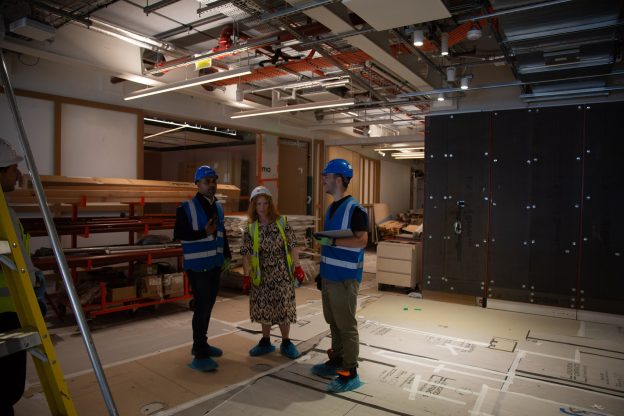
When JLL commissioned Reel Film to produce an induction video for their new London headquarters at One Broadgate, the site was still in the final stages of construction at the point we conducted our recce.
That timing was intentional. Visiting before the building was fully operational gave the Reel Film team the opportunity to move through the space without the constraints of a live working environment - assessing rooms, corridors, communal areas, and key locations that would feature in the finished film.
During the recce, we mapped out every location we needed to shoot, identified the specific angles and frames that would work in each space, and noted all relevant safety considerations given the active construction environment. We came away with a detailed shot plan, a confirmed schedule built around the logistics of the building, and a clear picture of exactly where every scene would be captured.
When shoot day arrived, the difference was immediate. The schedule ran efficiently because every decision had already been made. The team moved through the building with purpose - we knew where we were going, what we were shooting, and how long each setup would take. There was no time lost to exploration or replanning on the day.
The outcome was a cleaner, better-organised shoot that made the most of the available time and delivered the footage JLL needed - on schedule and without compromise.
Frequently Asked Questions
What does a location recce actually involve?
A location recce is a pre-shoot visit to the filming location carried out by the director, cinematographer, or a senior member of the production team. During the recce, the team assesses each space for its visual and practical suitability - evaluating light, sound, available space, and access. Shot lists and schedules are developed based on what the location can actually offer, and any potential obstacles are identified and planned around before shoot day.
Does a recce add significant cost to a video production?
A recce saves costs to pre-production as it consistently saves time - and therefore money - on shoot day, which then translates to the edit. Unplanned shoot days routinely overrun because decisions that should have been made in advance are made under pressure on location. A recce removes that risk. For most productions, the time saved on shoot day more than offsets the cost of the visit, and the improvement in footage quality adds value that carries through to the final film.
At what stage of a project should a recce take place?
Ideally, a recce takes place after the brief has been agreed and the shot list is in development, but before the shoot day is locked. This gives the production team enough creative clarity to assess the location meaningfully, while leaving enough time to incorporate what they find into the schedule and shot plan. For complex locations - large buildings, outdoor environments, or sites with operational constraints - earlier is always better.